


Your shopping bag is empty



/on/demandware.static/Sites-CTShirts-US-Site/-/default/dw046a80af/images/3-line-logo.png
article
written by charles tyrwhitt
11/06/2026
style guide
What to Wear to an Interview?
Interview dressing doesn’t need to be complicated; it just needs to be considered. Focus on fit, quality, and appropriate formality, and you’ll create the kind of first impression that feels confident, capable, and professional.
Read more Read less
Why what you wear to an interview matters
"A job interview can be stressful enough without worrying about your outfit. "
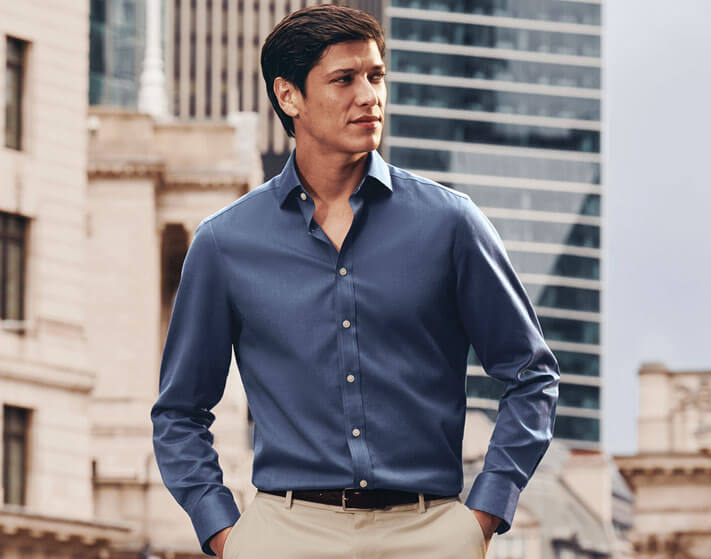
A job interview can be stressful enough without worrying about your outfit.
It should help you look credible, feel confident and suit the company culture. But attire for interviews doesn't need to be over-complicated. Done right, it should remove distractions and let your experience do the talking.
A strong interview look should:
• Make a good first impression
• Help you feel confident and comfortable
• Fit the company dress code (formal, business casual, etc.)
• Work for video or in-person interviews
• Look polished – not over-the-top or distracting
Dressing for professionalism vs. personality
Aim for professionalism first, personality second.
In most interviews, classic pieces and clean lines read as dependable and detail-oriented. If you want to show some individuality, do it subtly – think a textured tie, a muted pocket square, or a quality watch, rather than bold patterns or statement accessories.
Dressing for different interview types
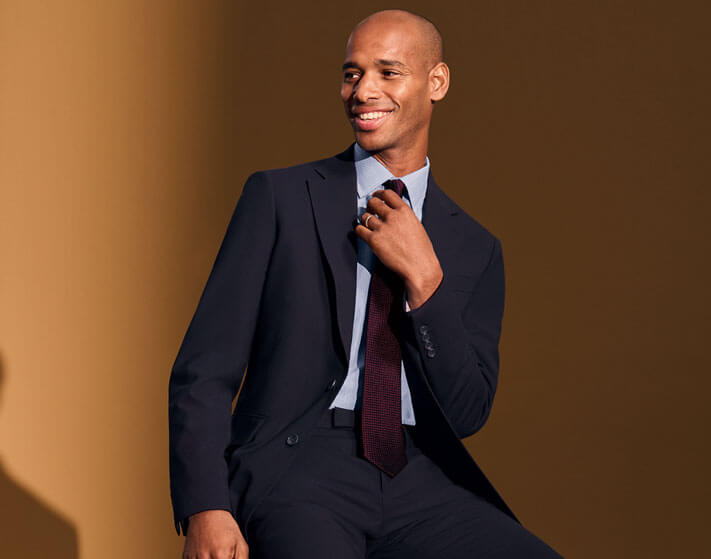
Wondering how to dress for an interview? If you’re unsure what to wear:
01
Check the company website and social channels for staff photos
Read More Read less02
Look at the role: client-facing and senior roles usually skew more formal
Read more Hide03
If you can, ask your contact what “typical office dress” looks like
Read more Hide04
When in doubt, dress one step smarter than the day-to-day dress code
Read more HideInterview Dress codes explained
Formal Business Attire
Best for: corporate, finance, law, senior roles, client-facing interviews.

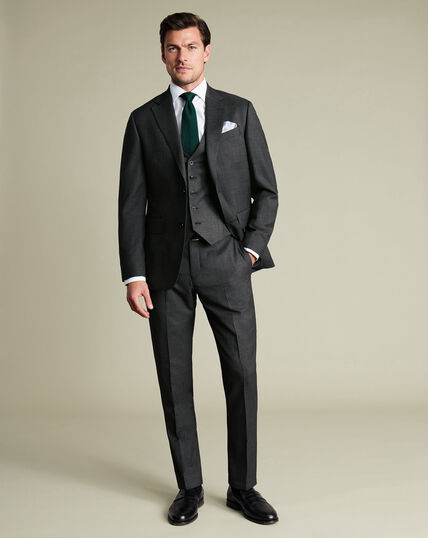
Go for classic formal interview attire:
• Suit (navy or charcoal is safest)
• Crisp white dress shirt
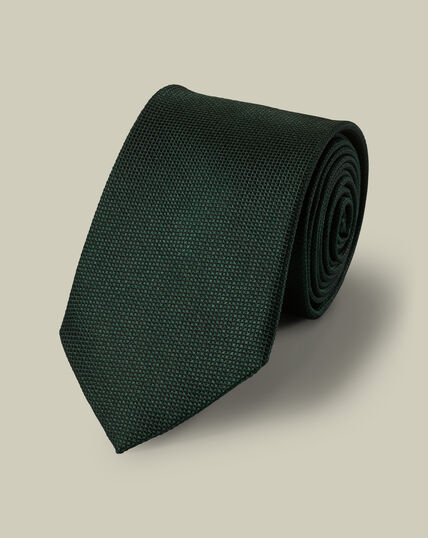
• Tie (simple, classic pattern)
• Leather belt
• Dress shoes (Oxford or sleek Derbys)
Optional: cufflinks, watch, pocket square (keep it subtle)

TIP
“If you’re wearing a pocket square, keep it calm and complementary – it shouldn’t compete with your tie.”
When to wear a tie to an interview
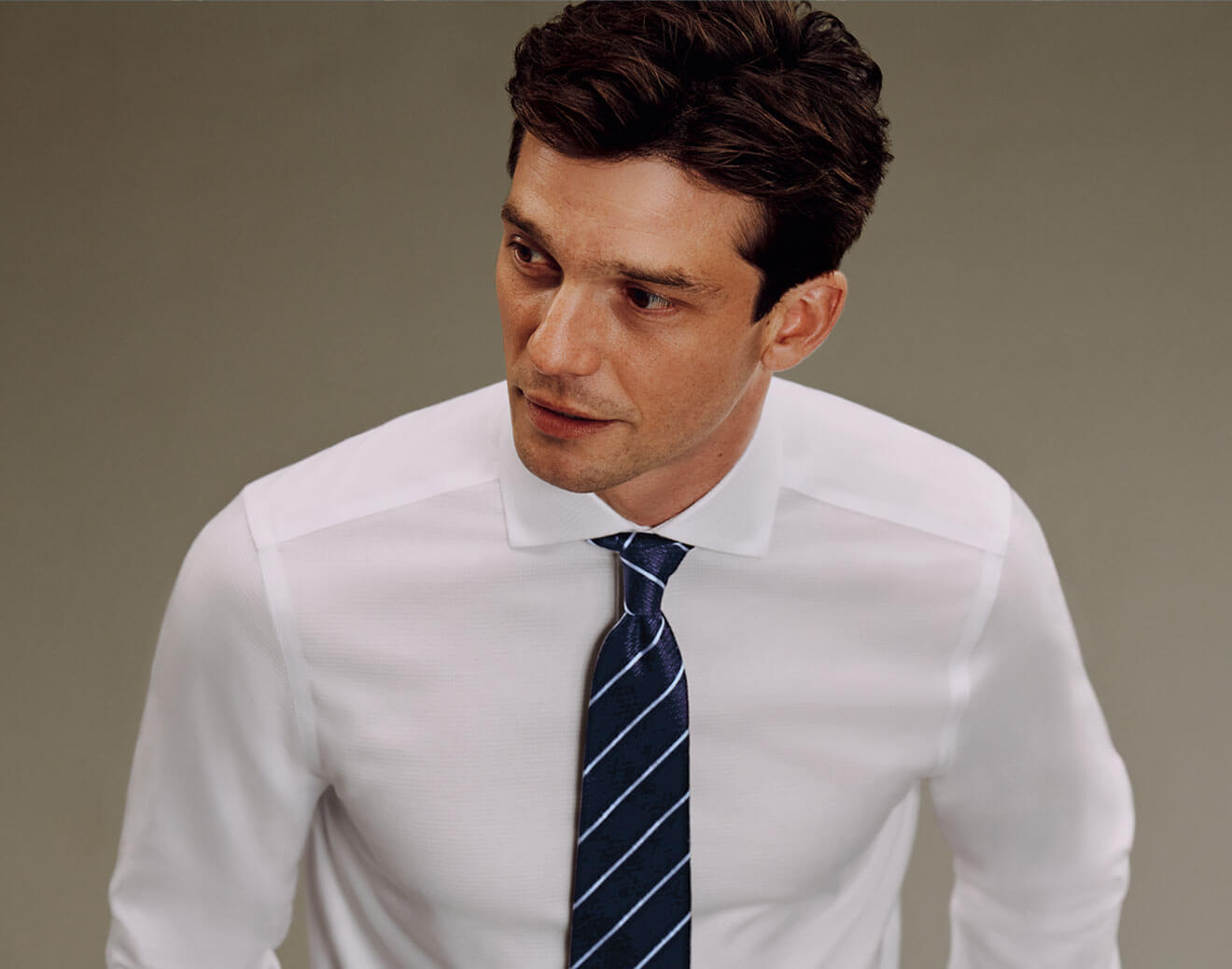
For formal interviews, yes – wear a tie. For more relaxed industries, it can be optional, but a tie is still the easiest way to look sharp and prepared.
Avoid novelty ties; keep it classic.

When to wear a suit to an interview
Wear a suit if the environment is traditional and formal. If it’s more relaxed, you may not need a full matching suit. But you should still lean into business-appropriate tailoring (for example, a blazer and smart pants).
Shop Formal Business Attire
$1,234.56
now
$699
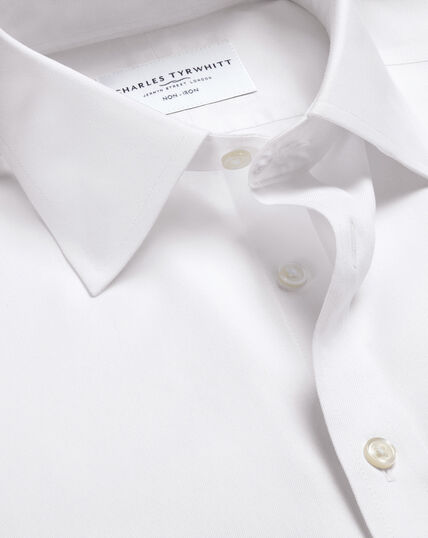
Classic collar


$1,234.56
now
$599
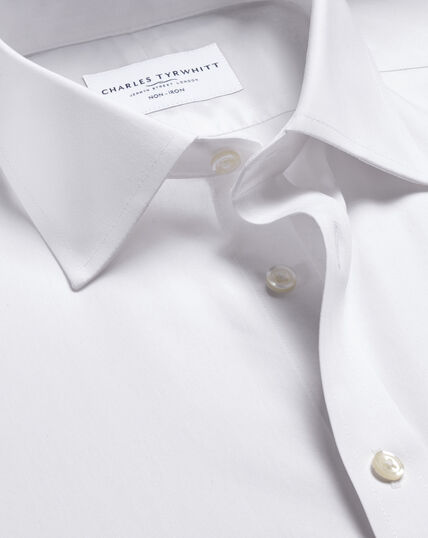
Semi-spread collar
Business-Casual Interview Outfits
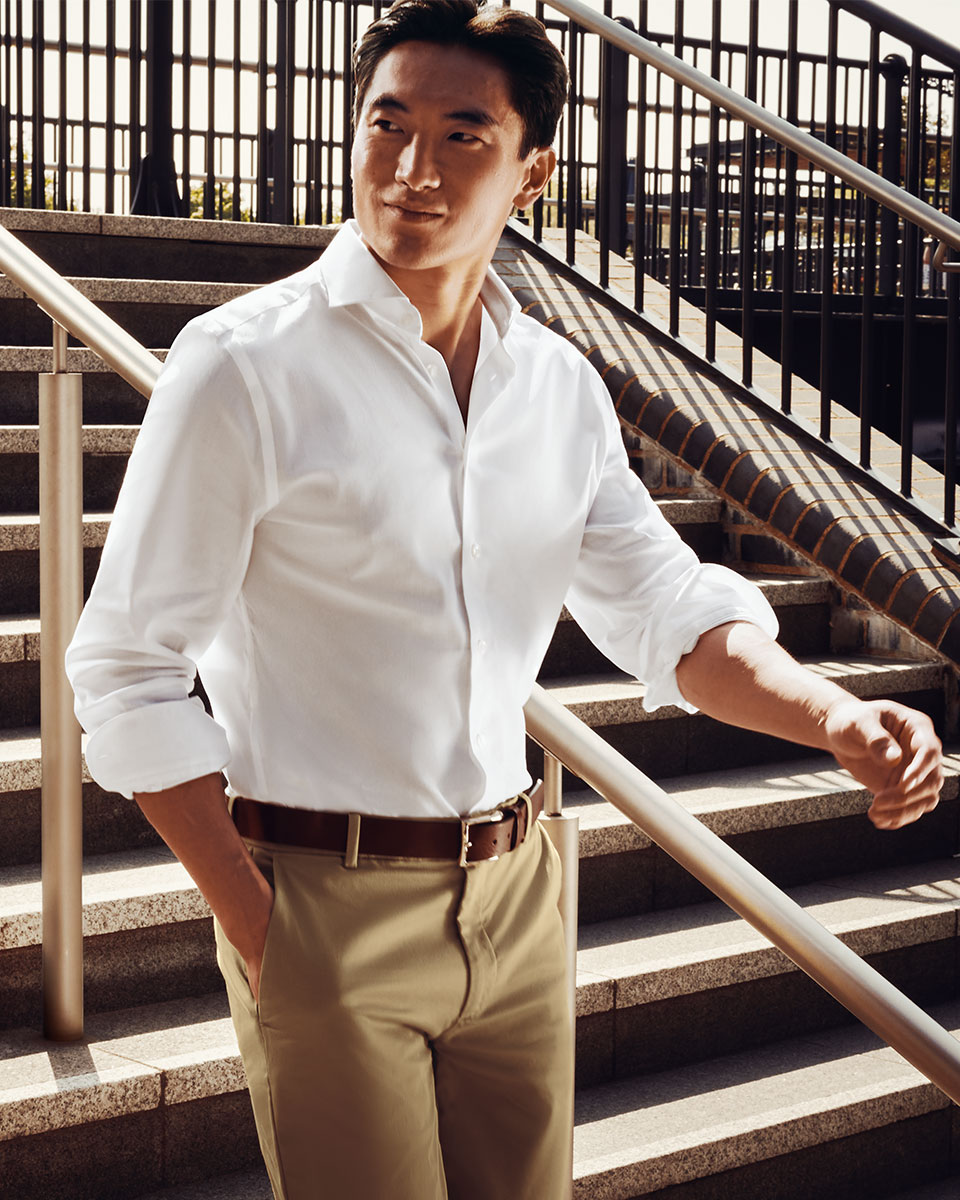
Best for: many modern offices, tech, marketing, and non-client-facing roles. Business casual still needs structure.
A reliable formula:
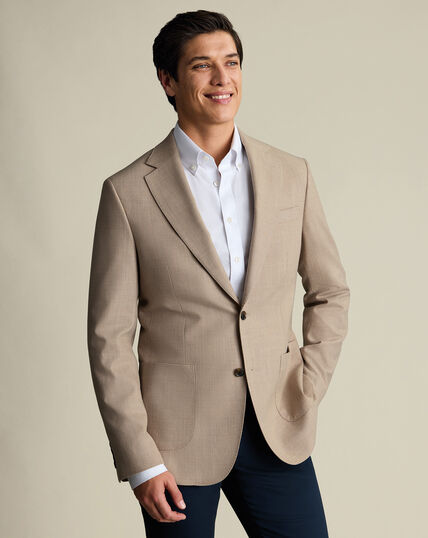
• Blazer or smart jacket
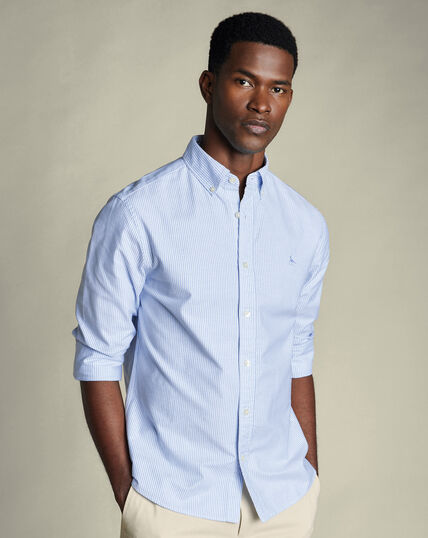
• Oxford or poplin shirt (tie optional)
• Tailored chinos or wool pants
• Leather shoes (Derbys or loafers, depending on formality)

TIP
"Business casual should still look intentional – pressed pants, polished shoes, and a well-fitting shirt."
Shop Business-Casual

now
$399
Classic collar
was
$399
now
$229

Semi-spread collar
Smart-Casual for Creative Roles
Best for: creative agencies, design, media – where culture may be more relaxed, but standards still exist.
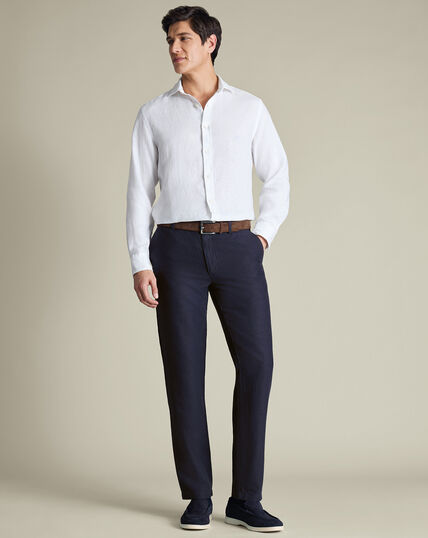
Smart-casual doesn't have to mean stiff:
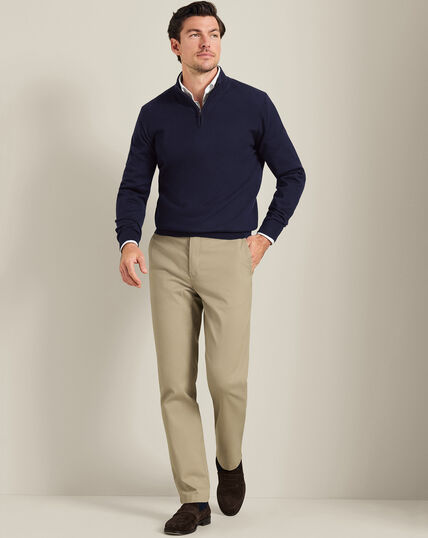
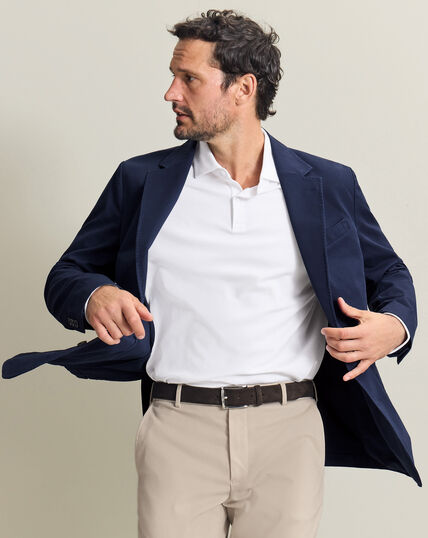
• Smart jacket or a fine knit
• Crisp shirt (or a premium polo, depending on the company)
• Tailored pants or elevated chinos
• Clean leather shoes or minimalist smart sneakers, but only if the company genuinely dresses that way

TIP
“You’re dressing to impress, not outshine. Subtle touches work better than bold statement pieces (no colorful shoes allowed!).”
Shop Smart-Casual
now
$349
Semi-spread collar
Business‑Casual
Best for: retail, hospitality, hands-on or shift-based roles (varies widely).
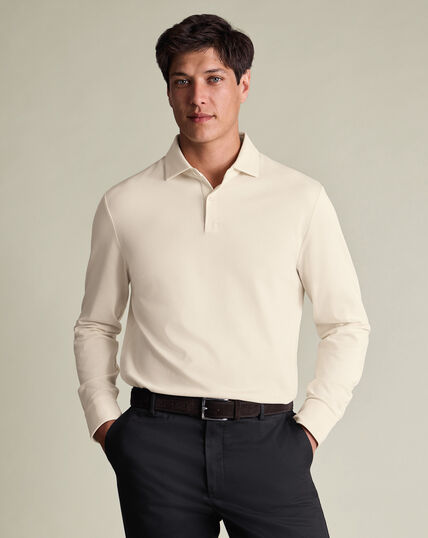
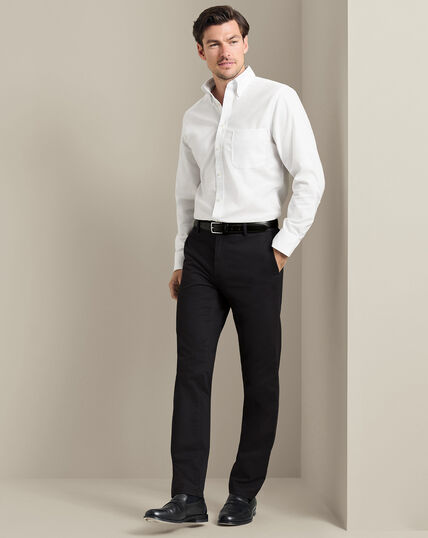
Even if the workplace is casual, avoid looking too informal:
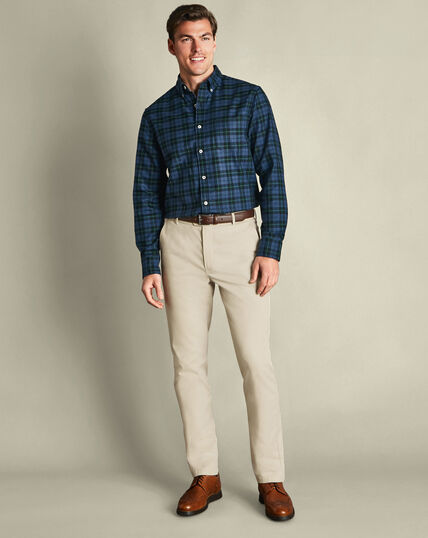
• Smart pants or clean, dark chinos
• Simple, well-fitting shirt or polo
• Clean, closed-toe shoes (ideally leather or smart casual)

TIP
“If your shirt is smart, keep your pants more relaxed, and vice versa. Remember - dress an outfit up with smarter shoes, and down with sneakers.”
Shop Casual
Semi-spread collar
What men should wear to an interview
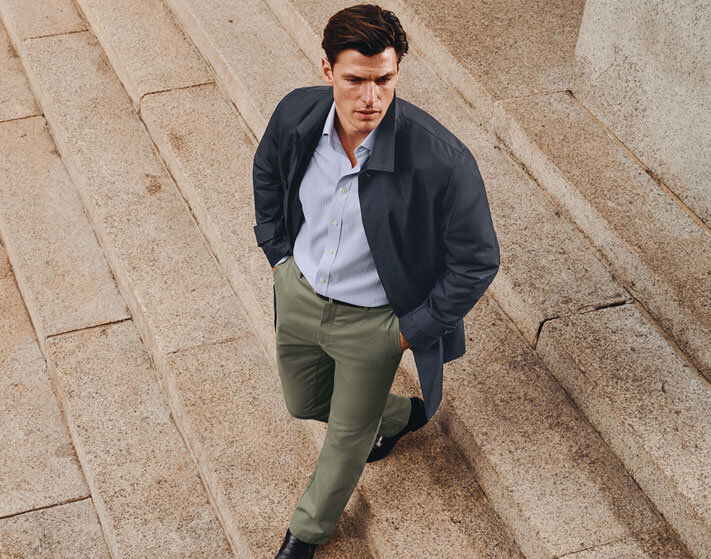
Best tops and pants
Start with the building blocks:
• A well-fitting dress shirt is the easiest win (white and light blue are the safest)
• Tailored pants or a suit for formal settings
• For business casual: chinos can work well if they’re structured and neatly pressed
Fit check (quick and useful):
• Shirt collar: room for two fingers, no gaping
• Shoulders: seams sit at the edge of your shoulder
• Pants: sit comfortably at the waist; clean break (or slight break) at the shoe
Appropriate shoes and accessories
01
Shoes
Your shoes often decide whether an outfit looks “finished”.
• Formal: black Oxfords (safest) or sleek Derbys
• Business casual: Derbys or loafers in black or brown
Make sure they’re clean, polished, and in good condition
02
Belt
Yes, wear a belt (unless your pants have side adjusters). Choose good-quality leather and match it to your shoes as closely as possible.
03
Watch
A simple watch adds polish. Keep it classic and understated.
Colors that create a professional look
If you want to look sharp without overthinking it, stick to:
• Navy, charcoal, mid-gray (suits and pants)
• White or light blue (shirts)
• Burgundy, navy, dark green, muted patterns (ties and accessories)
Avoid loud color contrasts and busy patterns. The goal is capable and composed.

What to wear for virtual interviews

Dressing professionally for the camera
Dress as you would for an in-person interview – at least from head to waist. A crisp shirt and tailored jacket read very well on camera. Avoid overly bright whites or heavy patterns that can distort on the screen.
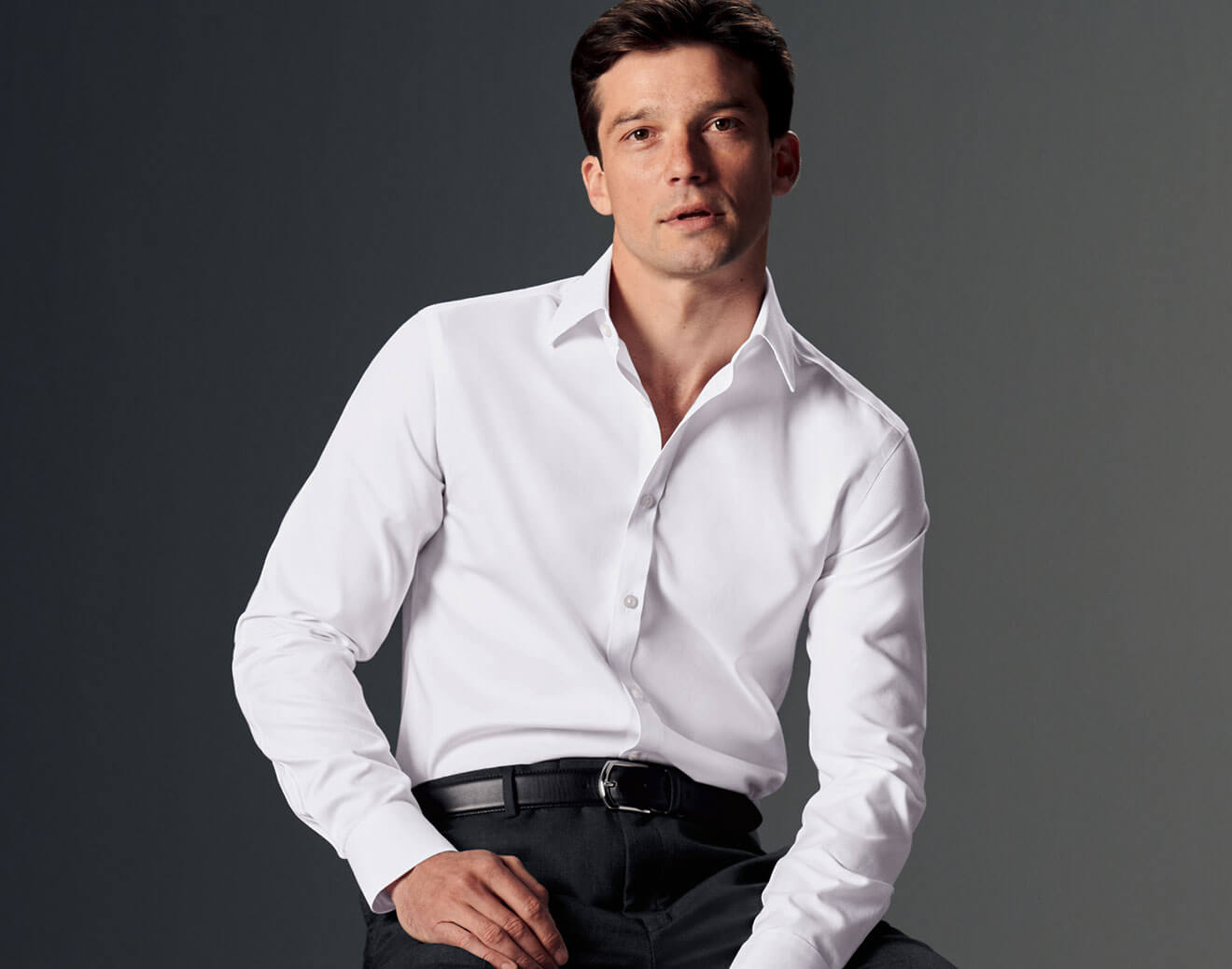
Background, Lighting and grooming tips
A polished appearance isn’t just about clothing:
• Choose a tidy, neutral background
• Face a light source (a window works) rather than sitting with light behind you
• Check grooming: hair neat, facial hair trimmed, teeth and nails clean
• Keep fragrance minimal (even in person, it’s best not to overdo it)
TIP
“If you wouldn’t wear it to the office, don’t wear it on Zoom.”
Common zoom interview mistakes to avoid
01
Wearing a shirt that creases badly or gapes on camera
02
Distracting patterns (tight stripes, bold checks)
03
Poor posture or sitting too far from the camera
04
Looking at your own image instead of the camera lens
05
Assuming “virtual” means casual
Accessories to match interview outfits
Accessories should support your outfit, not steal your focus. Choose one or two, max:


TIP
“A final check before you leave (or log on): clean shoes, pressed shirt, tidy hair, and nothing that feels fussy or uncomfortable.”
What Not to Wear to an Interview


You have some leeway, but avoid:
• Too much cologne or aftershave
• Too many or overly flashy accessories
• Torn, wrinkled, old, or poorly fitting clothes
• Restrictive clothing you’ll fidget in
• Anything that clashes with the company culture
• Conflicting colors, textures, patterns, and fabrics
• Sneakers or casual sandals (unless clearly appropriate)
• Jeans (unless you’re certain it’s acceptable)